
Top 7 Manufacturing Tech Solution Companies 2026
Table of Contents
The manufacturing technology landscape of 2026 is being reshaped by seven forces: digital quoting, AI-driven DFM, automation at the machine level, additive manufacturing maturity, smart factories, supply-chain localization, and the platform-ization of contract manufacturing. The companies that matter are not necessarily the largest — they are the ones whose platforms change how a buyer gets a part made. Here is the shortlist we watch from inside the factory, and what each one signals for procurement strategy.
1. — the pioneer of digital quoting and automated DFM. Its platform converts CAD to manufacturability feedback in minutes across CNC, injection molding and 3D printing, and it built the template every digital manufacturer copies. The signal: instant DFM feedback is table stakes now. 2. — the marketplace model, aggregating thousands of shops behind one quoting engine, now with AI-based ballpark pricing and a global network. The signal: buyers expect one-quote-many-processes, and capacity is becoming a commodity. 3. Markforged — industrial composite and metal printing with a software-centric workflow, targeting tooling and production parts. The signal: additive is now a production tool, not a prototype tool. 4. Carbon — digital light synthesis (DLS) printing with production-grade urethane materials and a software subscription model. The signal: materials, not machines, are the moat in additive. 5. Formlabs — desktop-to-bench SLS and SLA systems that put production-grade printing inside any engineering office. The signal: the barrier to shop-floor printing keeps falling. 6. Desktop Metal — binder jetting for metal at scale, aimed at the volume crossover with casting and machining. The signal: metal additive is chasing volume, not just complex geometry. 7. Siemens and the smart-factory stack (with partners like Fanuc and Rockwell) — the digital twin, MES and automation layer that runs a modern factory.
What This Means for a Buyer in 2026
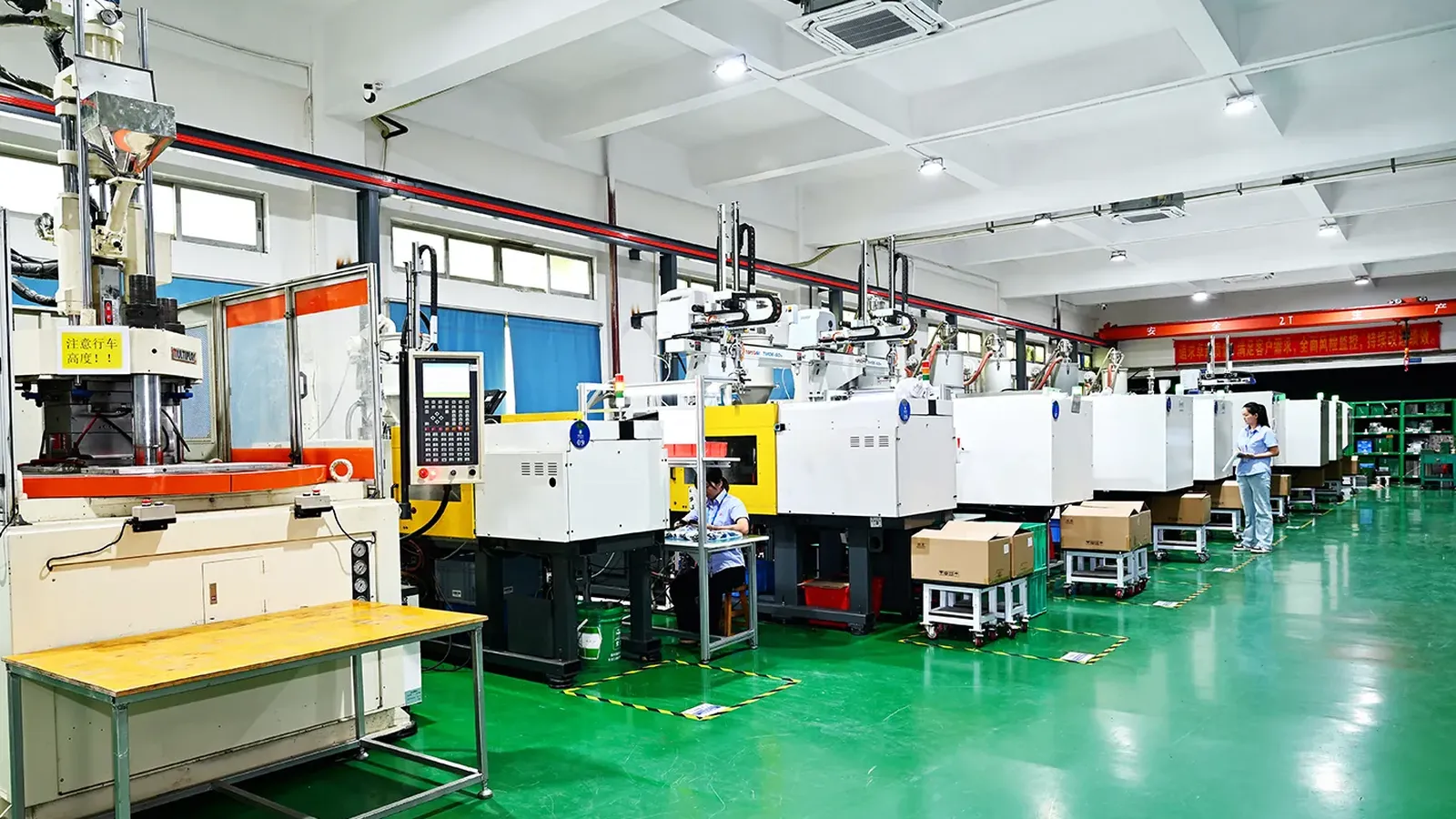
The practical consequence: buyers should evaluate suppliers the way they evaluate software. Does the supplier give instant DFM feedback on your CAD? Can they quote across processes (CNC, molding, printing, sheet metal) with one submission? Do they have automation and process monitoring that makes quality predictable? Are their lead times real, with tracking? The factories that survive the platform era are the ones that digitize their process knowledge — and the ones that do not are the resellers that will be disintermediated.
The counter-trend is worth naming: platforms aggregate capacity, but they do not aggregate process responsibility. A marketplace quote for a molded part still depends on the tooling program behind the tool. The durable advantage belongs to factories that keep engineering close — mold design, DFM, process control — like the tooling-and-molding program run by one accountable team at MOLDITQUICK. Platforms bring the interface; the factory brings the physics.
How We Watch This Market Ourselves
We track these shifts from inside the plant: our quoting workflow is digital (DFM review, quotation and first-article reporting all on CAD data), our presses run closed-loop with process monitoring, and we pair molding with CNC, wire EDM and printing so process selection stays honest. The market benchmark for platform-style service — ballpark quotes, 1 to 1,000,000+ parts, 100+ materials — is now the baseline (.
Whatever platform you quote through, the engineering questions stay the same: who owns the tool, who fixes the process, and who signs the inspection report. If you want a partner that answers those directly, send us your part — we will quote it and show you the DFM notes behind the price. Contact us to start.
The dark-horse trend for 2026 is AI in the factory: generative design tools that propose manufacturable geometry, vision systems that inspect parts at line speed, and predictive maintenance on the machines themselves. The serious implementations are still early, but the direction is clear — the factory that digitizes its process knowledge now will have the data advantage when AI tools mature. For a buyer, the practical implication is to prefer suppliers who are already capturing process data (cycle times, scrap rates, capability indices) rather than those who describe their experience in adjectives. Data is the new quality certificate.
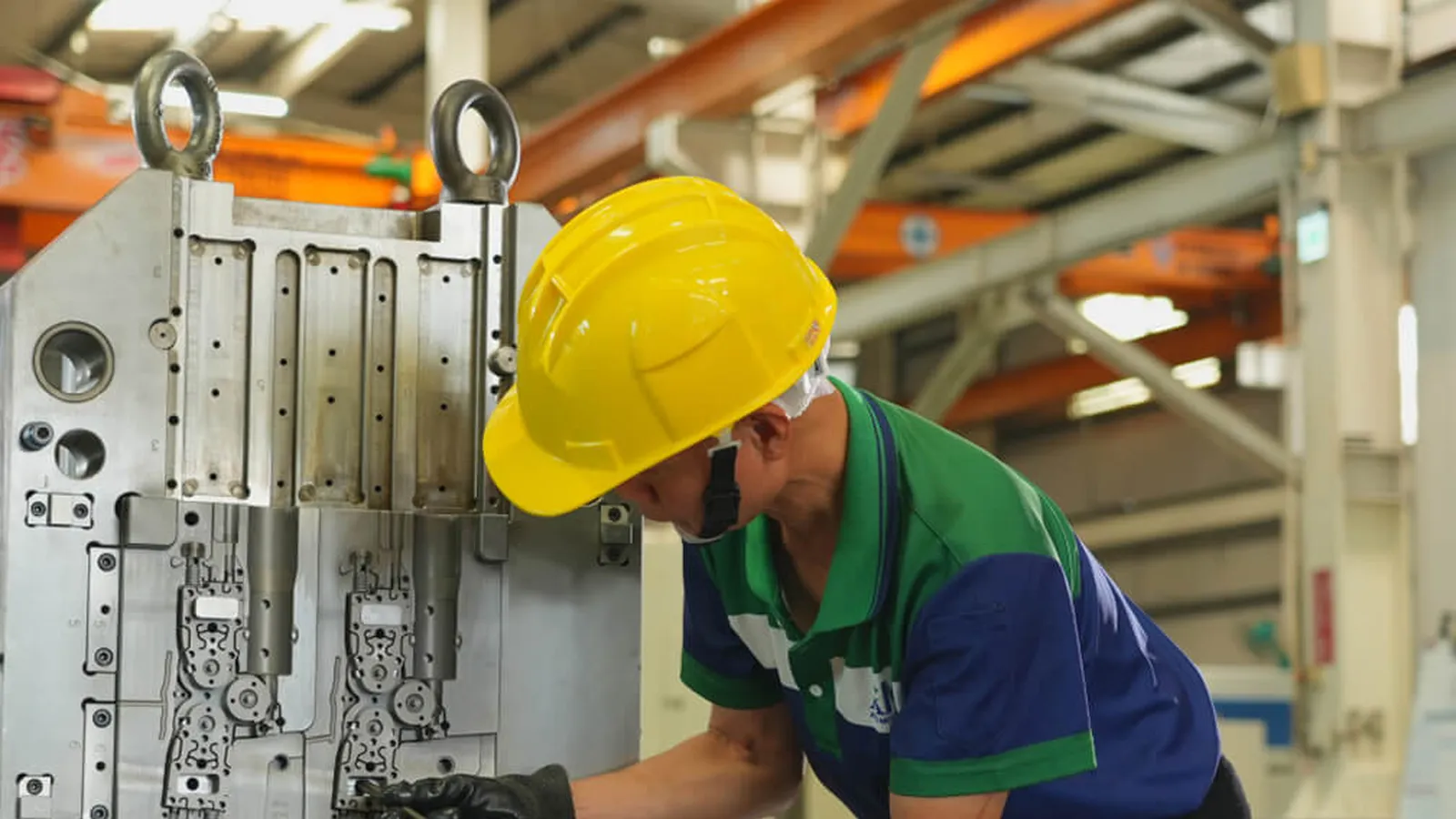
Need a quote? Contact us — upload your 3D file for a fast DFM review.
NEXT STEP
Ready to Start Your Project?
Send us your requirements — our team responds within 24 hours. Pricing and a realistic lead time come with the reply.
Written by
Ray ChanExport Brand Manager · Injection Molding, Mold Making & DFM. Ray helps global importers and integrators source factory-direct plastic parts and tooling.