
Engine Valve Cover by Die Casting
Table of Contents
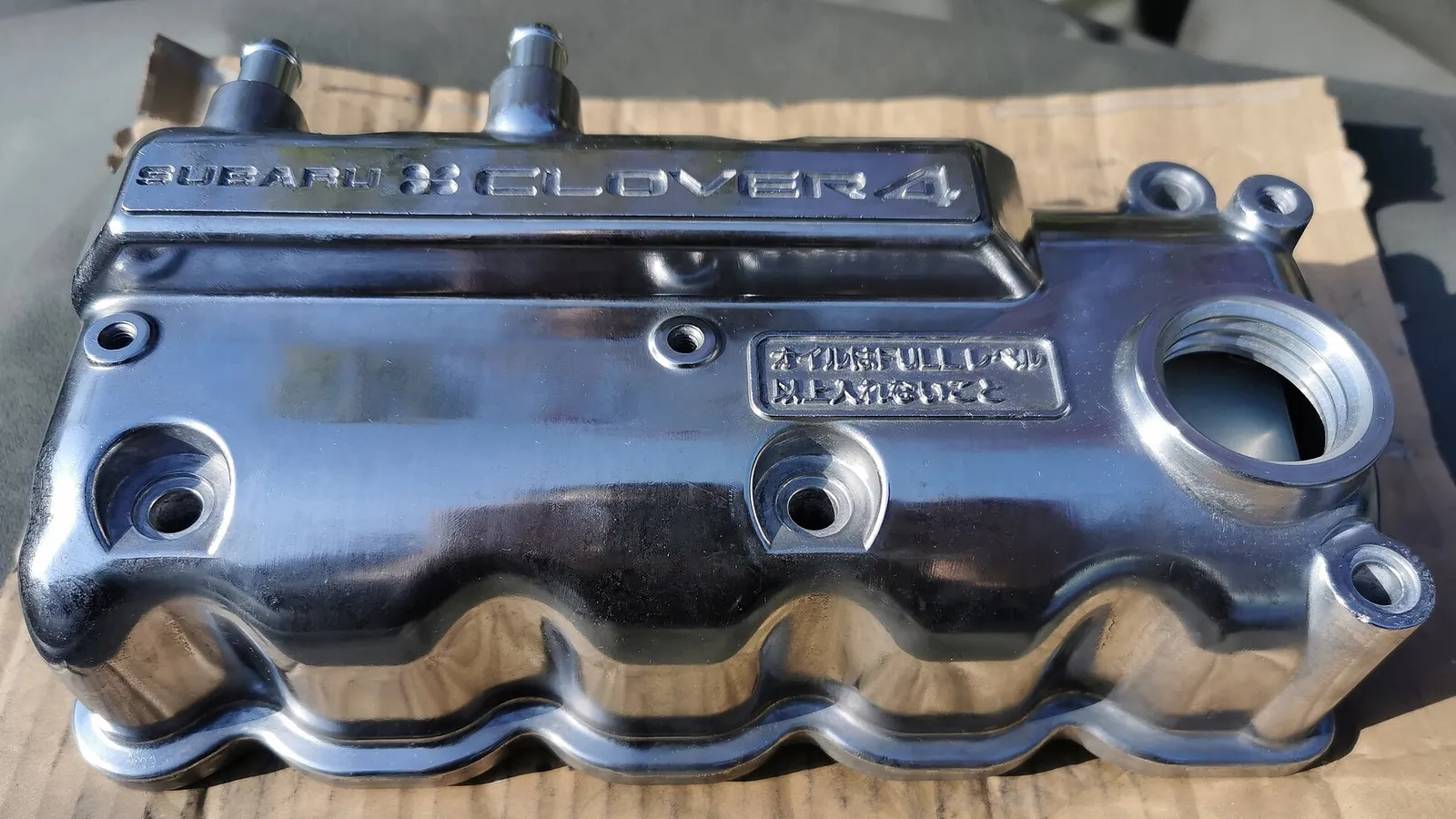
An engine valve cover is a textbook die-casting challenge: a large thin-wall aluminum casting with sealing surfaces, bolt bosses, oil separators and machined faces — and it sits on top of the engine, so porosity that leaks oil or a flange that warps means an instant quality rejection. The part has to hold dimensional stability through machining, anodizing or powder coating, and thermal cycling from cold start to operating temperature.
MOLDITQUICK produces die-cast aluminum valve covers and adjacent engine components, pairing die casting with our own CNC machining so the casting and the machined faces come off one supplier. The facility in Dongguan runs 21 high-speed precision stamping presses for the sheet-metal side, and aluminum die-cast parts are produced through audited production cells; the 10,000 m² plant and 280-person team cover trimming, machining, pressure testing and finishing under one quality system.
Porosity Control Is the Whole Game
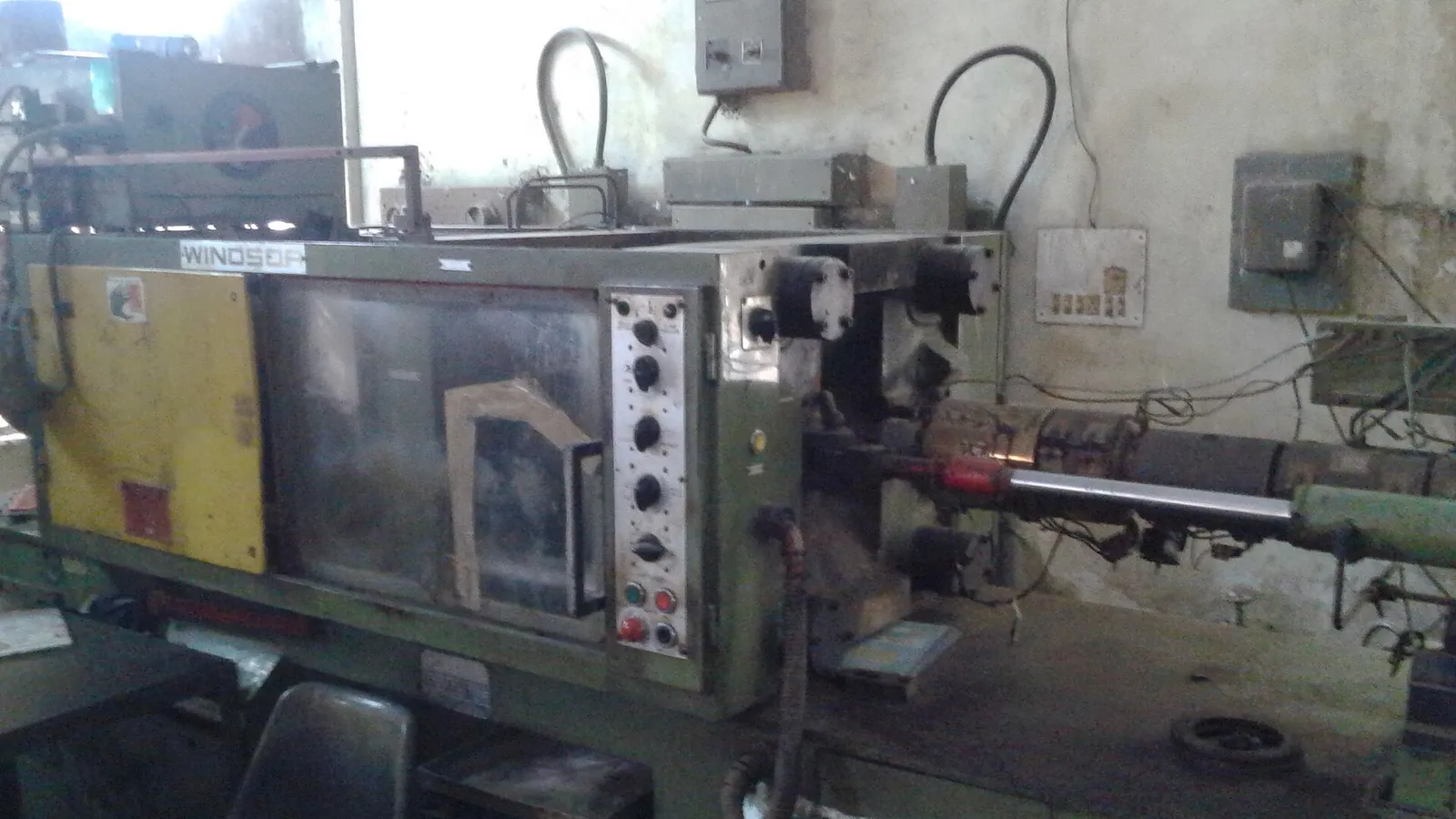
Valve covers leak through porosity, not through the gasket. The casting process has to be tuned so the die fills completely without entrapping air, which means controlling the plunger speed profile, the gate velocity and the vacuum. We run vacuum-assist die casting and design overflow wells at the last-fill areas so the porosity collects in scrap, not in the sealing flange. After casting, every cover gets a pressure test — typically 0.5-1.0 bar with a helium or air test — before it moves to machining.
The flange is then machined on a CNC cell to hold flatness within 0.1 mm over the full sealing perimeter, because the gasket compresses evenly only if the flange is flat. Bolt bosses get tapped, oil-return holes get drilled, and the machined surfaces are verified with a CMM. For structural and sealing features we document Cpk ≥ 1.33 under IATF 16949, with PPAP submissions for production programs. Comparable die-cast valve-cover programs in the market hold parts tolerance of ±0.1 mm with mold tolerance of ±0.05 mm on the tool side .
From Casting to Finished Cover
The advantage of one supplier is the handoff. The casting leaves the die-cast cell, gets trimmed, is pressure-tested, then goes to CNC for the flange and bosses — and the dimensional data follows the part, so if the flange flatness drifts, we see it in the casting parameters before it becomes scrap. No shipping castings to a second machine shop, no tolerance disputes between vendors.
Finishing is available under our program too: powder coating for the exterior, and a clean machined finish for the sealing faces. We also support the aluminum recycling loop on scrap, which keeps the program cost competitive. Low-volume runs of 100-5,000 covers move on rapid tooling; production runs of 10,000-100,000 follow the schedule set at PO, with global delivery and export documentation handled by our team.
If your valve cover or engine component is fighting porosity, flange flatness or supplier handoff problems, send us the part and the test specification. We will review the casting design and quote the complete chain — casting, machining, testing, finishing — in one response. Contact us to start.
The die itself is where the economics are won. A valve-cover die is a multi-slide tool: the flange area, the bolt bosses and the oil-separator cavity all pull in different directions, so the die design — parting line, slides, ejection — decides both the cycle time and the scrap rate. Because the die and the process are tuned together by one accountable team, the trial-and-correction loop is measured in days: a slide clearance issue found on first shots is corrected and re-shot the same week. The result is a die that reaches its stable cycle quickly, which is exactly what a production program needs.
Need a quote? Contact us — upload your 3D file for a fast DFM review.
NEXT STEP
Ready to Start Your Project?
Send us your requirements — our team responds within 24 hours. Pricing and a realistic lead time come with the reply.
Written by
Ray ChanExport Brand Manager · Injection Molding, Mold Making & DFM. Ray helps global importers and integrators source factory-direct plastic parts and tooling.