
Cleanroom Standards for Injection Molding (ISO 8–5)
Table of Contents
Cleanroom injection molding exists because some parts cannot tolerate particulates. Medical devices, optical components, electronics and food-contact products all have limits on how many particles can be embedded in or on the molded surface — and once a particle is molded into the part, it cannot be washed out. The cleanroom classification (ISO 14644) defines the maximum particle counts per cubic meter at specified sizes, and the molding operation has to be engineered around those limits.
The ISO 14644 classes work like this: ISO Class 8 allows 3.52 million particles ≥0.5 µm per m³; Class 7 allows 352,000; Class 6 allows 35,200; Class 5 (the classic "cleanroom" people picture) allows 3,520. Most medical device molding runs at Class 7 or 8; optical and some medical applications need Class 5-6. The cleaner the class, the more the building, airflow, gowning and monitoring cost — which is why the first question is always: what class does your part actually need?
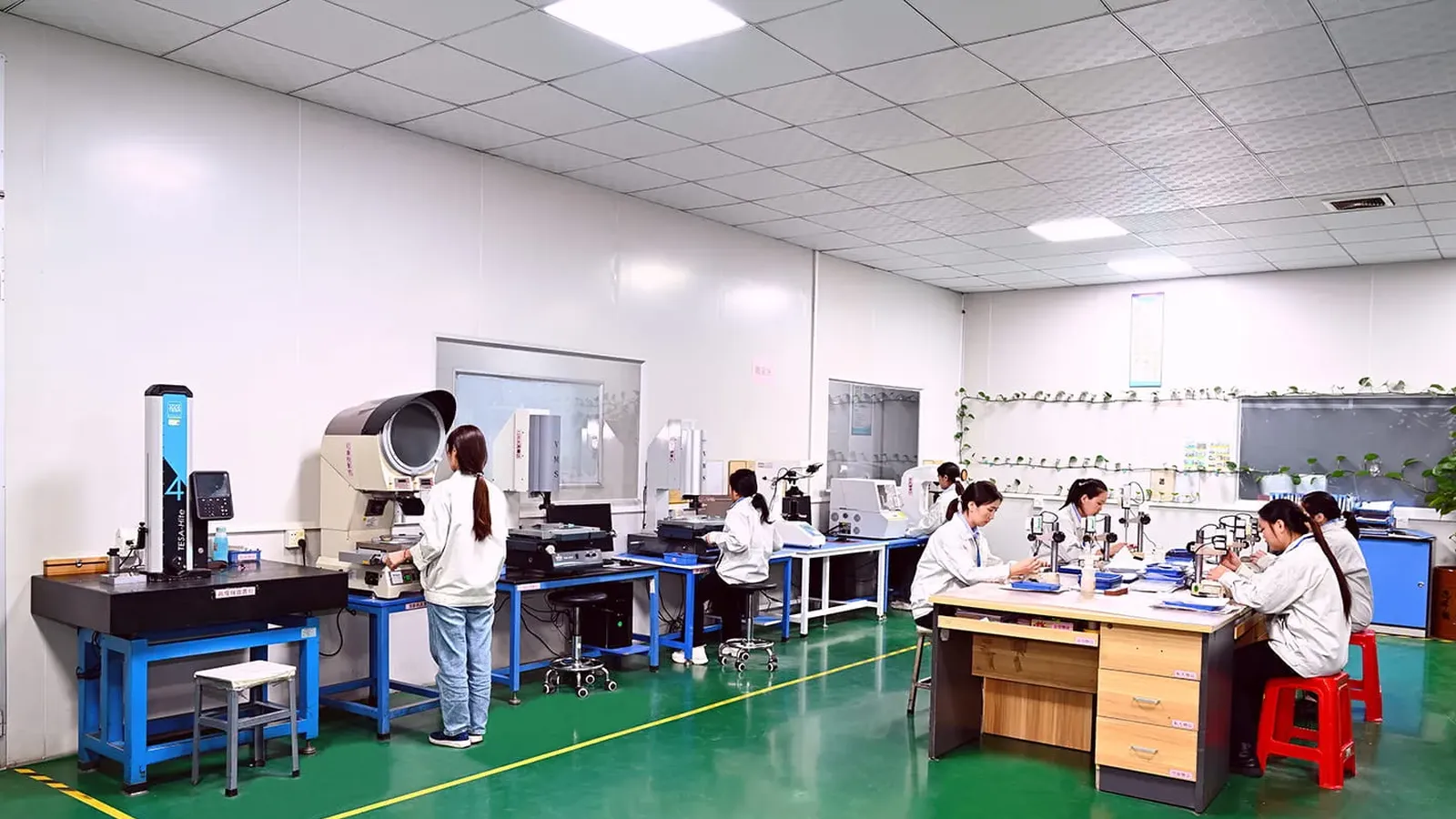
What Makes a Molding Operation "Clean"
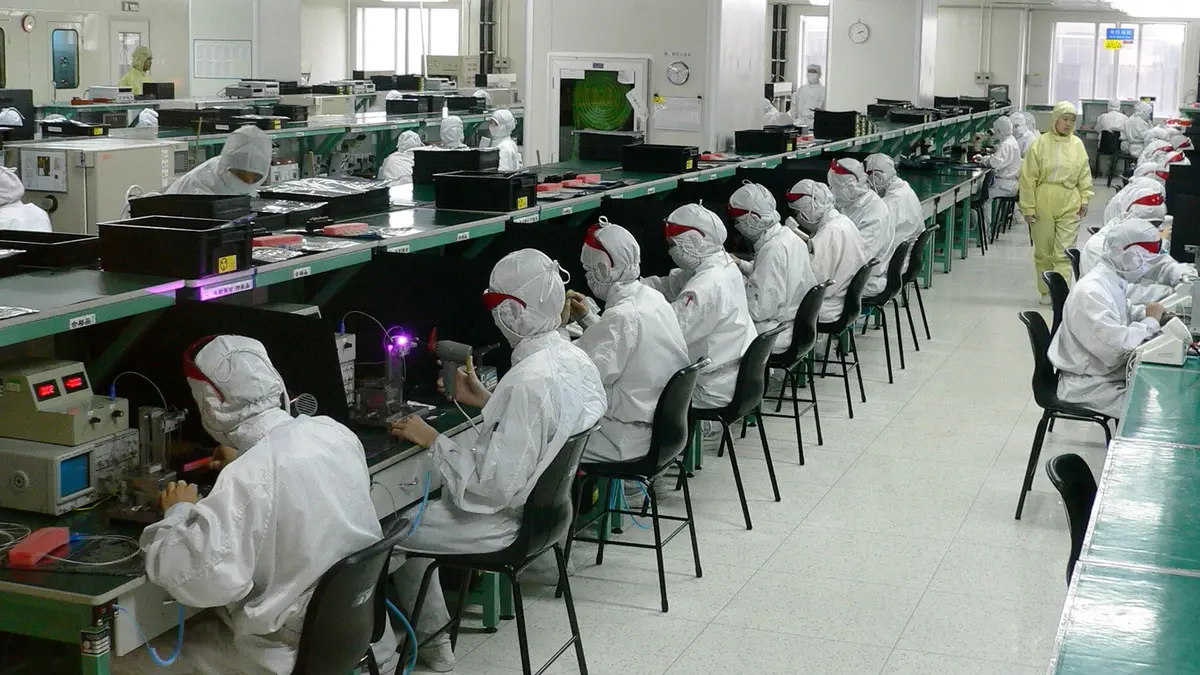
A cleanroom molding operation is not just a clean room with a machine inside. It is a system: HEPA-filtered air with controlled airflow direction (typically 0.3-0.5 m/s in ISO 5 zones), positive pressure against the surrounding area, a change-room and gowning protocol for operators, clean-compatible materials handling (no cardboard, no wood pallets in the clean zone), and part handling with gloves or automation. The machine itself generates particles — mold opening, ejector movement, robot motion — so the tooling and automation are designed to minimize exposed sliding surfaces and to direct any generated particles away from the part.
In practice, most medical molding programs at MOLDITQUICK run in a controlled molding area that meets the cleanliness requirements for the device, with validated cleaning procedures, controlled handling and documented environmental monitoring. Where the device genuinely requires ISO Class 7 or higher, we manage the specific airflow, gowning and monitoring for the program. The decision is risk-based: a sealed LSR diaphragm that never contacts the patient's wound site does not need the same class as an implantable housing.
Cleanroom-Processed Materials and the Documentation Burden
Cleanroom molding does not change the material science, but it changes the handling: resins are dried in clean dryers, transferred without opening the bag in the clean zone, and logged by lot. LSR is a natural fit for cleanroom work because the two-component liquid system is pumped sealed into the mold — no open resin handling at all. TPU, medical PC and PP are the other cleanroom staples. The documentation is where cleanroom programs are won or lost: material certificates, lot traceability, environmental monitoring records and the IQ/OQ/PQ validation package, all under IATF 16949-level process control.
For a complete picture of medical molding requirements — materials, cleanroom levels, validation — our medical injection molding guide is the reference. Low-volume cleanroom programs at MOLDITQUICK quote on rapid tooling; production runs follow the agreed schedule, from the 10,000 m² Dongguan facility with ISO 9001 and IATF 16949 systems.
If your device program has a cleanroom requirement, send us the part, the ISO class and the documentation needs. We will confirm whether the existing facility meets it or what the specific controls cost — before you commit to a program. Contact us to start.
The monitoring requirement is worth planning for: environmental monitoring (particle counts, temperature, humidity) must be logged on a schedule, and the records kept with the production batch records. A cleanroom claim without monitoring records is a marketing statement; with records, it is an auditable process. The gowning protocol matters too — operators entering the clean zone, the change sequence, the frequency of glove changes — because people are the biggest particle source in any cleanroom. When you audit a cleanroom supplier, look at the gowning area and the monitoring log before you look at the machines; the machines are the easy part.
Need a quote? Contact us — upload your 3D file for a fast DFM review.
NEXT STEP
Ready to Start Your Project?
Send us your requirements — our team responds within 24 hours. Pricing and a realistic lead time come with the reply.
Written by
Ray ChanExport Brand Manager · Injection Molding, Mold Making & DFM. Ray helps global importers and integrators source factory-direct plastic parts and tooling.