
CNC Machining and Injection Molding: One Supplier Advantage
Table of Contents
Most products are not purely molded or purely machined — they are a mix. A molded enclosure with machined bosses, a machined aluminum bracket with molded insulators, a prototype phase machined and a production phase molded. When CNC machining and injection molding come from two suppliers, every handoff adds a tolerance stack, a shipping delay and a dispute about whose process caused the fit problem. One supplier removes all three.
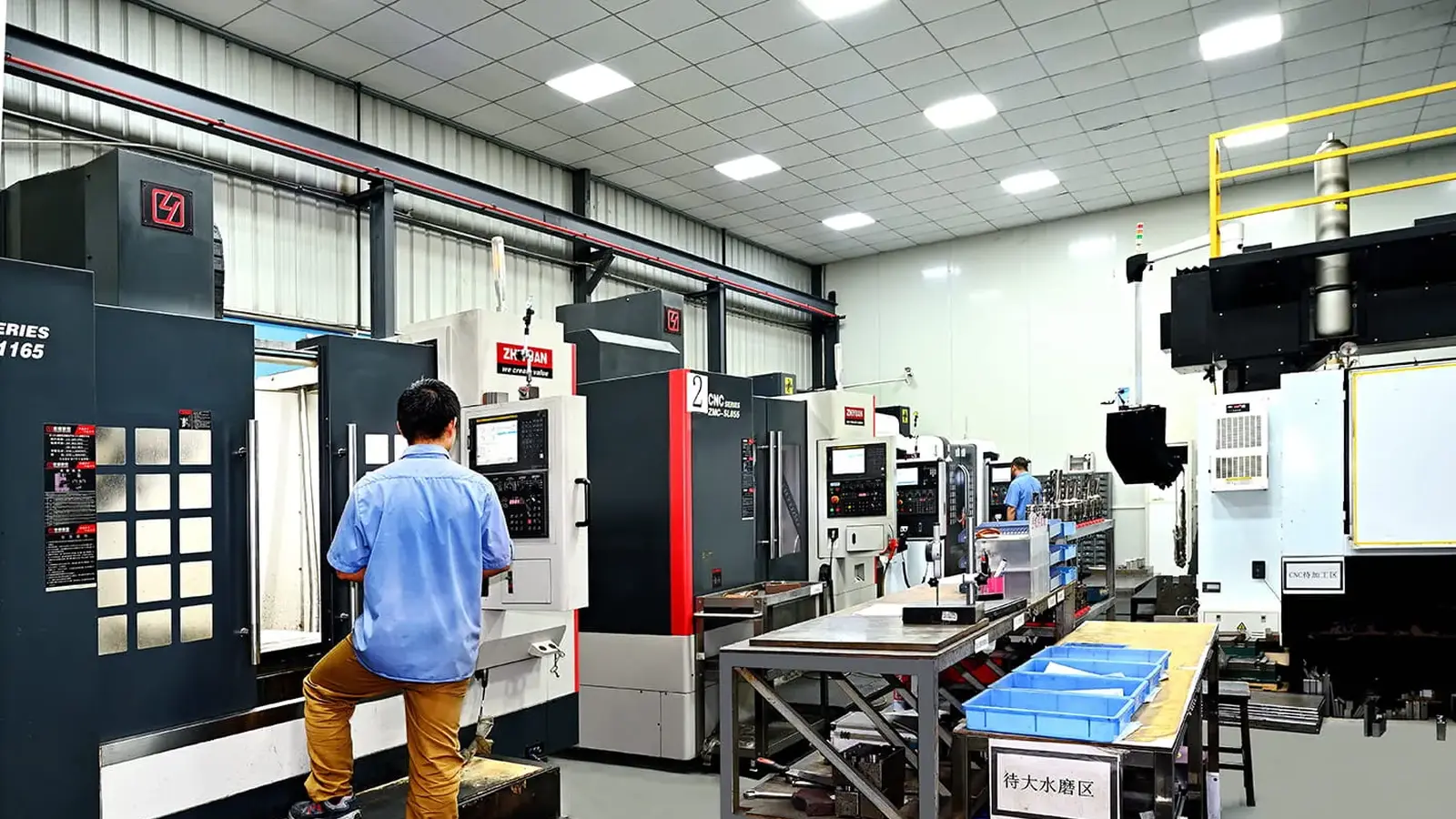
MOLDITQUICK runs CNC machining and injection molding in the same 10,000 m² facility in Dongguan: CNC milling and turning on 3-axis and 5-axis machines, and injection molding on our presses (30T to 260T). The same engineering team quotes both processes, so the transition from machined prototype to molded production is planned before the prototype exists.
Why the Machined-to-Molded Transition Fails
The classic failure is dimensional. The CNC prototype holds a boss pattern to ±0.05 mm; the molded part shrinks and the same pattern lands at ±0.2 mm. If the design was never reviewed for the molding process — draft, wall thickness, gate location — the production part fails at integration. When one supplier owns both processes, the DFM review happens once, against the production process, and the prototype is machined to match the molded design intent rather than the other way around. That single review saves the program weeks and the customer thousands in re-tooling.
There is also a functional argument: many parts are hybrid by design. A metal thread insert machined and pressed into a molded boss; a machined aluminum plate overmolded with a TPE seal; a molded housing with CNC-machined datum surfaces for the final assembly. These parts are manufactured most reliably in one building, where the machined feature and the molded feature are checked against the same drawing and the same CMM.
One Quote, One Schedule, One Quality Record
The operational benefit is simpler than the engineering one: one quote covers the whole assembly, one schedule coordinates both processes, and one quality record accompanies the shipment. When the enclosure and the bracket arrive together, the customer assembles — they do not reconcile two suppliers' tolerance reports. For programs that scale, the same supplier runs 200 prototype pieces and 200,000 production pieces, and the process parameters from the validation run carry into production instead of being re-derived.
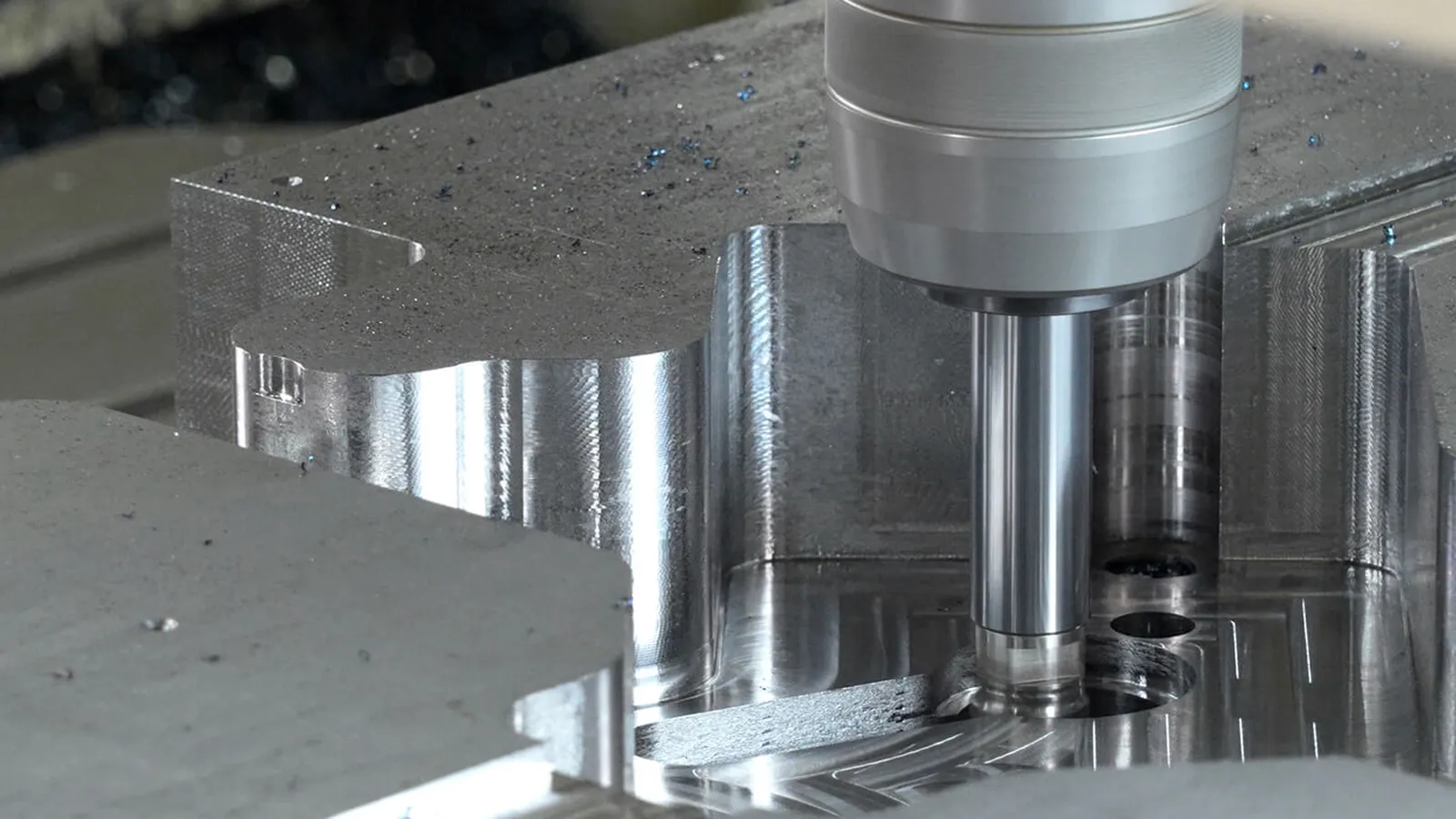
Our facility pairs the molding floor with CNC mills that hold ±0.005 mm, wire EDM for precision details, and a CMM lab for first-article and lot inspection. Quality systems cover IATF 16949 and ISO 9001. Lead times follow the tool path: rapid tooling for low volume, hardened tooling for production. The CNC vs injection molding guide walks through choosing the process per feature.
If your product mixes machined and molded parts — or will transition from machined prototypes to molded production — send us the assembly. One quote, one schedule, one supplier. Contact us to start.
There is also the timeline argument. A hybrid program — machined metal parts plus molded plastic parts — coordinated by one accountable team ships as an assembly-ready set on one schedule. Split across suppliers, the metal parts wait for the plastic parts, the plastic parts wait for the metal parts, and the launch date waits for both. When the machining and molding teams share a planning board, the critical path is one line instead of two, and the program manager has one schedule to track rather than reconciling two suppliers' promises. That is the operational difference that shows up in the first month of the program and never stops showing up.
Need a quote? Contact us — upload your 3D file for a fast DFM review.
NEXT STEP
Ready to Start Your Project?
Send us your requirements — our team responds within 24 hours. Pricing and a realistic lead time come with the reply.
Written by
Ray ChanExport Brand Manager · Injection Molding, Mold Making & DFM. Ray helps global importers and integrators source factory-direct plastic parts and tooling.