
Adding Threads to CNC Machined Parts
Table of Contents
Adding threads to a CNC machined part looks like the simplest operation on the print and causes more rework than almost any other feature. The reason is process physics: a tap that breaks in a blind hole costs the part, and a thread that strips at 60% engagement fails the assembly. Choosing the right thread-making method — tapping, thread milling, single-point threading or a thread insert — depends on material, hole geometry, volume and tolerance, and getting it right starts at the CAD stage, not at the machine.
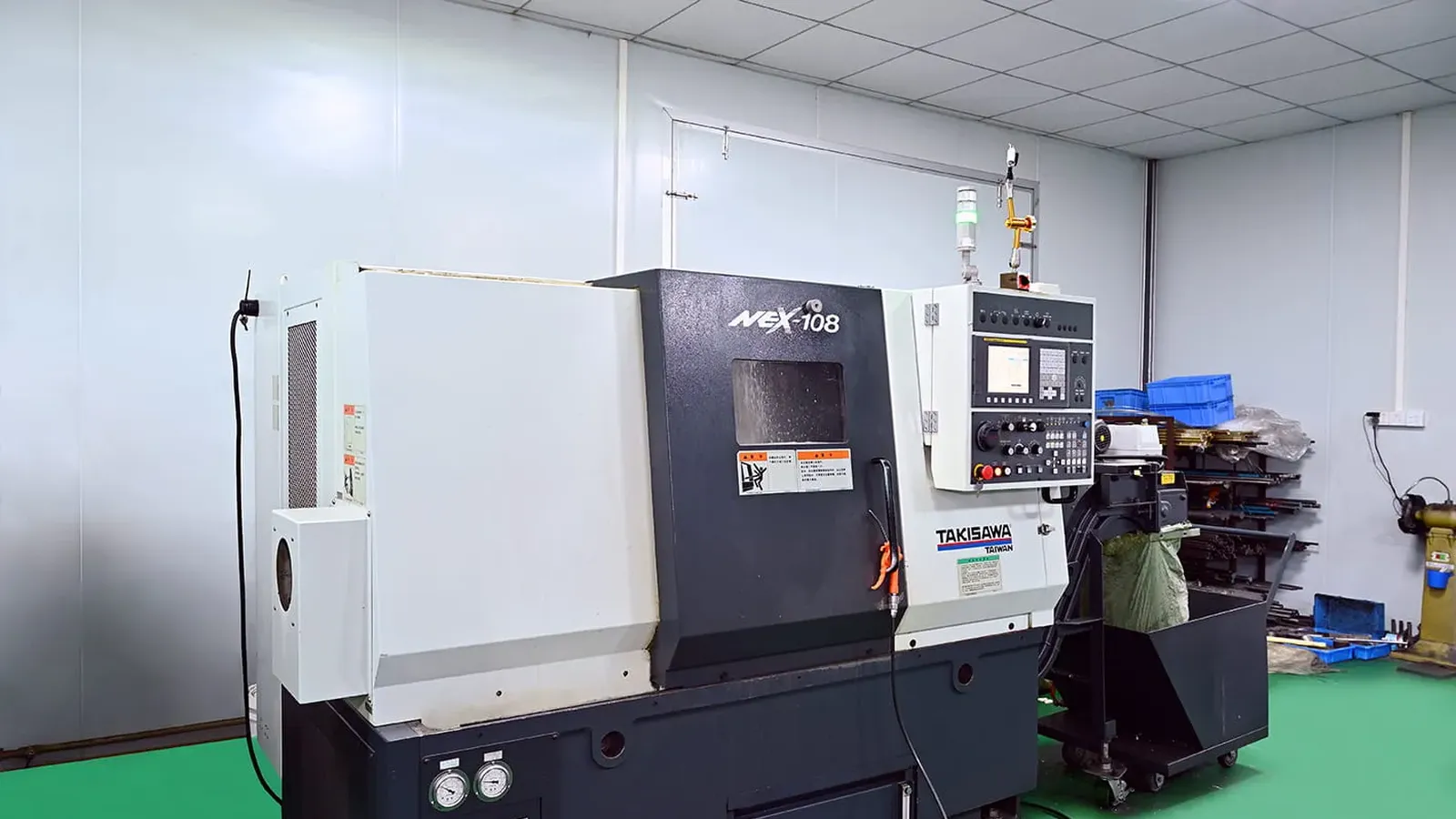
At MOLDITQUICK, threads are cut on the CNC machining line with process-matched methods. The rule set we use in the shop: for holes under about 10 mm in aluminum and steels, cut taps are the standard — fast, accurate to 6H tolerance, and reliable when the tap is sized for the material (aluminum needs spiral-flute taps that evacuate chips; steels need spiral-point taps that push them forward). For larger threads, thread milling replaces tapping: a single-point cutter interpolates the helix, one tool covers many diameters, and broken-tap risk disappears — at the cost of longer cycle time.
Tap vs Thread Mill vs Single-Point vs Insert
Cut tapping is the default: fastest, cheapest tooling, and the right choice for through-holes and blind holes with chip evacuation planned. The limits: each tap is one size, tap breakage in blind holes is a real risk (especially in gummy materials like aluminum 6061), and tapping hard materials above ~45 HRC needs special taps or another method.
Thread milling wins on flexibility and robustness: one tool cuts any diameter and pitch within its range, blind-hole chip evacuation is solved (chips fall, they do not pack), and the thread can be positioned accurately. The cost is cycle time — a thread mill takes a few passes where a tap takes one — so for high volumes of one thread size, tapping stays cheaper. Single-point threading (a lathe operation) is the method for external threads and for very large or custom-pitch threads that no tap covers. Thread inserts (heli-coil style or threaded inserts) are the answer when the parent material is too soft or thin to hold a thread: a steel insert pressed or molded into aluminum or plastic carries the thread.
For plastic parts, thread inserts deserve special attention — see our threads in plastic article for the full comparison of molded-in versus post-molded inserts.
Thread Classes, Engagement and the Tolerances That Matter
Specify the thread class on the drawing: 6H (internal, standard) and 6g (external, standard) cover the vast majority of applications; 5H/4h for tighter fits, 7H for loose fits. The standard is ISO 965 for metric threads and ASME B1.1 for unified inch threads. Engagement is the other spec that matters: standard rule of thumb is thread engagement of 1.0-1.5× the nominal diameter in steel, 2× in aluminum, and 2.5-3× in plastics — beyond that, extra engagement adds cost, not strength, because the fastener fails first.
The practical quality checks in our shop: thread gauges (go/no-go) for every critical thread, and for functional threads a plug gauge check on the first article. Positional tolerance of threads is often the hidden spec — a tapped hole position matters more than the thread itself in assemblies, and we hold thread positions to the same ±0.05 mm datum scheme as other features. Surface finish inside the thread is rarely specified, but the tap's cutting condition affects it — a worn tap leaves torn threads that strip early.
As a market reference, precision CNC services hold tolerances of ±0.005 mm on machined features and commonly deliver tapped and threaded parts within 3-7 days for prototypes (.
If you have a threaded part in design or in trouble, send us the drawing with the thread spec and the material. We will recommend the method — tap, thread mill or insert — and quote it with the tooling plan. Contact us to start.
Need a quote? Contact us — upload your 3D file for a fast DFM review.
NEXT STEP
Ready to Start Your Project?
Send us your requirements — our team responds within 24 hours. Pricing and a realistic lead time come with the reply.
Written by
Ray ChanExport Brand Manager · Injection Molding, Mold Making & DFM. Ray helps global importers and integrators source factory-direct plastic parts and tooling.