
What is Mass Production? Scaling from Prototype
Table of Contents
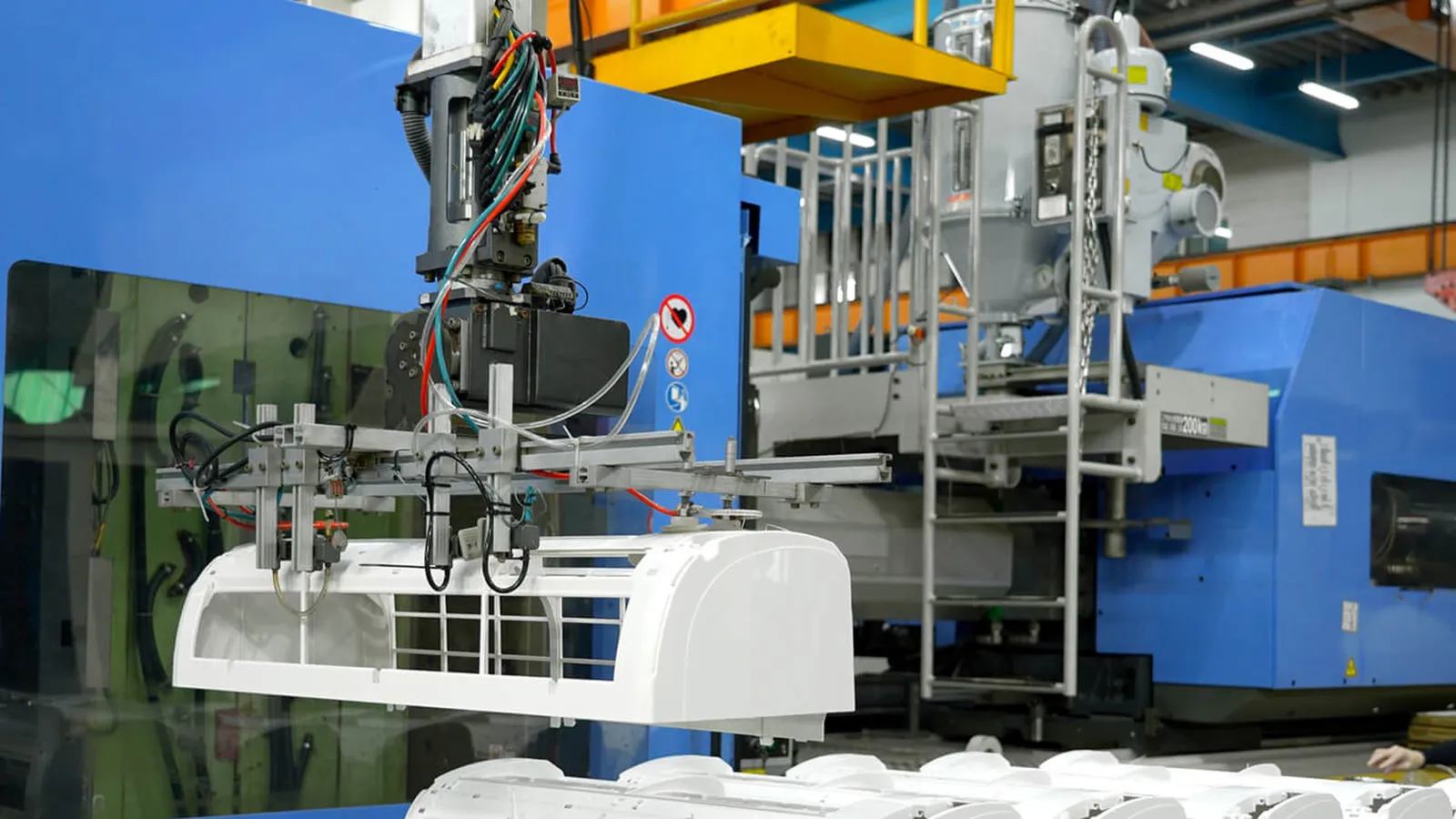
Mass production is manufacturing at scale: tens of thousands to millions of identical parts, made at the lowest possible per-unit cost with a process designed for repeatability, not flexibility. For plastic parts, mass production means production tooling (hardened steel, multi-cavity, hot runner) running on production machines with automated part handling, process monitoring, and a quality system that samples statistically rather than inspecting every part. The economics are the point: a part that costs $5 each at 1,000 pieces can cost $0.50 at 100,000 — if the tooling and process are designed for the volume.
The scale transition: prototyping and low-volume use rapid tooling or soft steel (aluminum, P20) with cycles that favor flexibility; mass production uses hardened steel (H13, S136) with cavity counts matched to the annual volume, hot runners to eliminate sprue waste, and automation to remove the operator from the cycle. The decision boundary — when production tooling pays back — depends on the part, but the crossover typically lands between 10,000 and 50,000 pieces when you count tooling amortization, cycle-time savings and scrap reduction. Our rapid prototyping vs production guide models the crossover with worked numbers.
What Production Tooling Actually Changes
The tooling differences are measurable. Cavity count: a 2-cavity tool halves the per-part cycle time versus single cavity; 8-16 cavities are common for high-volume parts. Hot runners: eliminate the cold sprue and runner — no material waste, no regrind handling, faster cycles, and better process control at the gates. Hardened steel: H13 or S136 at 48-52 HRC survives 500,000+ shots with documented maintenance, versus aluminum tooling rated for tens of thousands. Cooling: production tools get conformal or optimized cooling channels that cut cycle time 20-40% versus conventional designs. The sum: a production tool typically cuts per-part cost 50-70% versus rapid tooling on the same part — at a tooling investment that only makes sense at volume.
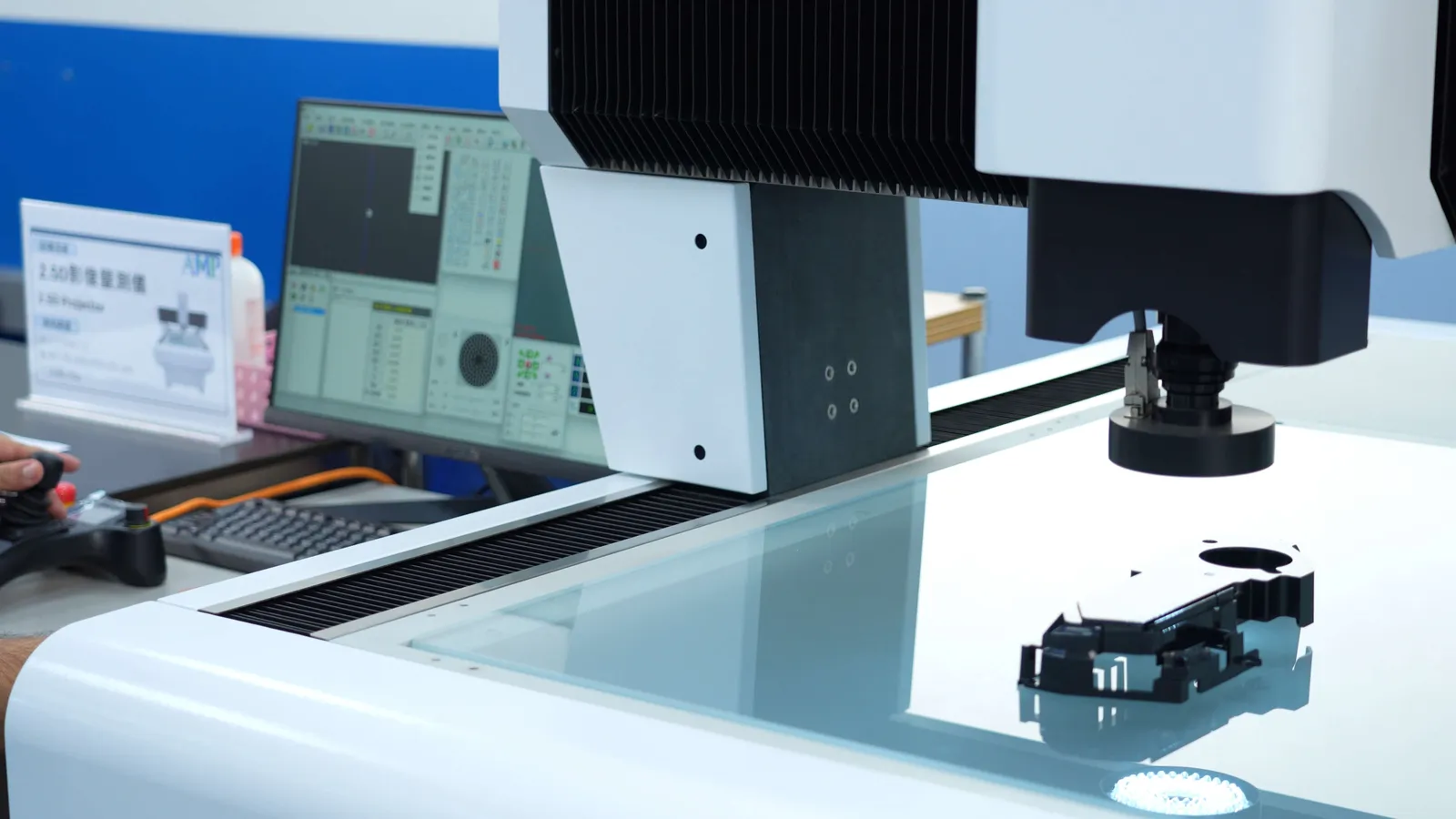
Process control is the second pillar of mass production: closed-loop machines hold packing pressure and temperature within tight windows (our presses run closed-loop), process monitoring records every shot's key parameters, and SPC tracks the critical dimensions so drift is caught before parts go out of spec. The quality system matters more at volume because the volume of bad parts is larger: a 1% defect rate at 100,000 pieces is 1,000 failed parts. The documentation burden also scales — automotive mass production requires PPAP, capability studies (Cpk ≥ 1.33) and control plans under IATF 16949, which is the system we run production programs under.
Durable industrial equipment — pumps, actuators, machine housings — carries its own set of requirements, collected on the industrial equipment components page.
Planning a Program for Mass Production
The program plan starts with the volume curve: annual quantity, ramp profile, and expected life of the program decide cavity count, tool steel and automation. The design is then reviewed for the process: wall thickness tuned for cycle time, gates placed for balanced filling in the multi-cavity layout, and features designed for automatic ejection and take-out. At MOLDITQUICK we quote production programs with the tooling plan, the cycle estimate and the per-part price at your volume — and we can run the validation and bridge quantities in the same facility before the production tool arrives. The production timeline spans mold build, T1 and first parts, with global shipping from our 10,000 m² Dongguan plant.
For market context, production molding services commonly quote from 10,000 to over 1,000,000 parts on production tooling (, which matches the volume band we plan for.
If you are moving a product from low volume to mass production — or planning a launch at volume from the start — send us the part and the volume curve. We will design the production tooling plan and quote the per-part cost at scale. Contact us to start.
The human side of mass production is the part no machine list shows: operators, process engineers and quality staff who run the process at scale, catch the drift and own the numbers. A production program is a team sport — the mold designer, the process engineer, the QC lead and the program manager all carry the Cpk numbers together. When you audit a mass-production supplier, talk to the people who run the machines, not just the sales desk; the ones who can quote their cycle time, their scrap rate and their last SPC reading from memory are the ones who will hold your program. That is the team we run production programs with, and the team your program will inherit.
Need a quote? Contact us — upload your 3D file for a fast DFM review.
NEXT STEP
Ready to Start Your Project?
Send us your requirements — our team responds within 24 hours. Pricing and a realistic lead time come with the reply.
Written by
Ray ChanExport Brand Manager · Injection Molding, Mold Making & DFM. Ray helps global importers and integrators source factory-direct plastic parts and tooling.