
What is PVD Coating? Thin-Film Surface Treatment
Table of Contents
PVD (physical vapor deposition) coating is a thin-film surface treatment that deposits a metal, ceramic or compound layer onto a part in a vacuum chamber. The coating is 1-5 micrometers thick — a few hundredths of the thickness of a typical paint layer — yet it transforms the surface: gold-colored titanium nitride on watch cases, black chromium on camera parts, wear-resistant titanium aluminum nitride on cutting tools. PVD is the finishing process for parts that need hardness, color and precision at the same time.
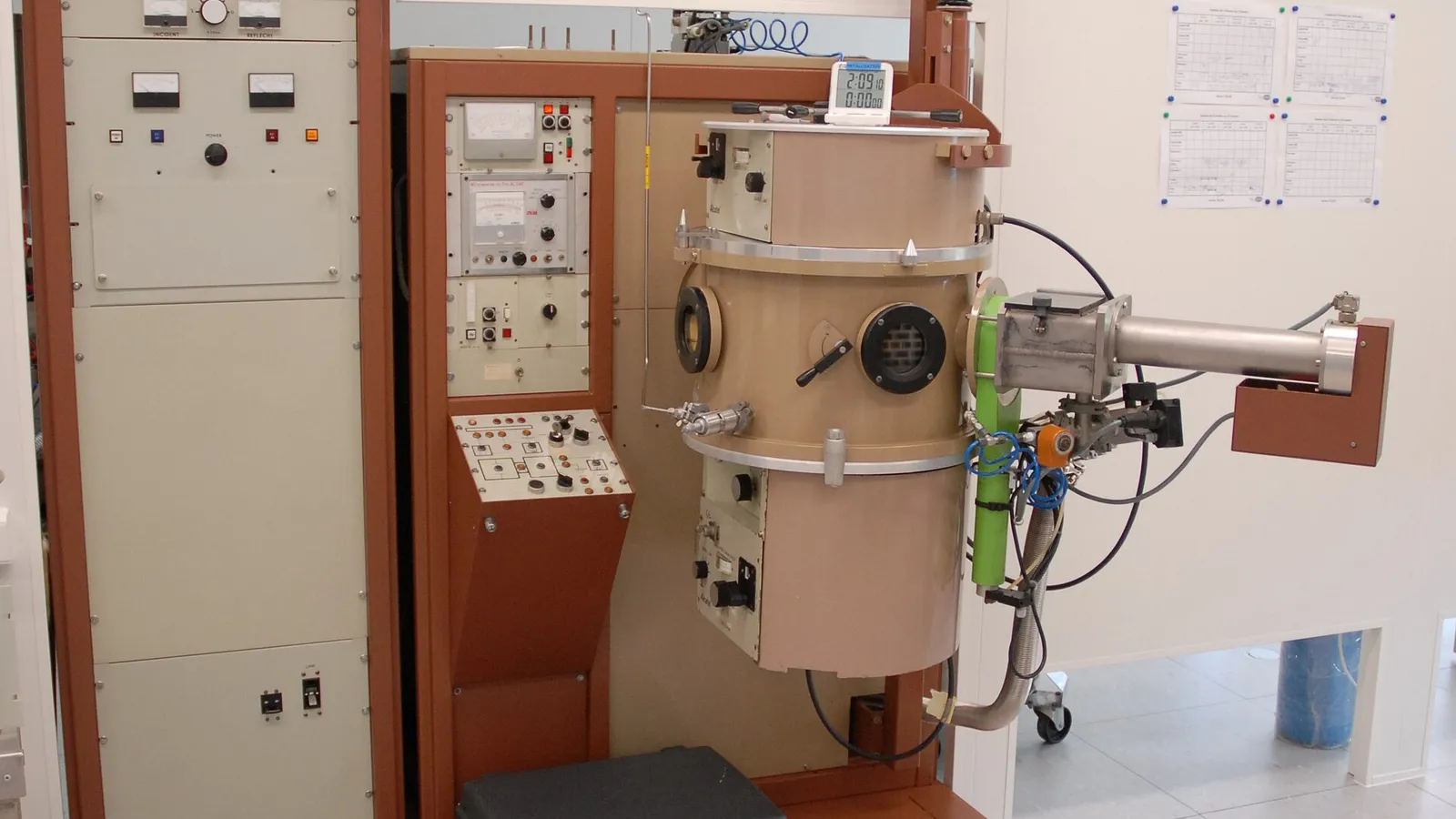
PVD happens in a vacuum chamber where the coating material is vaporized — by sputtering (bombarding a target with plasma) or evaporation (heating the material) — and condenses onto the part in a thin, dense, well-adherent layer. The process runs at 150-500°C depending on the technique, which matters because it limits which substrates can be coated: metals and high-temperature plastics only.
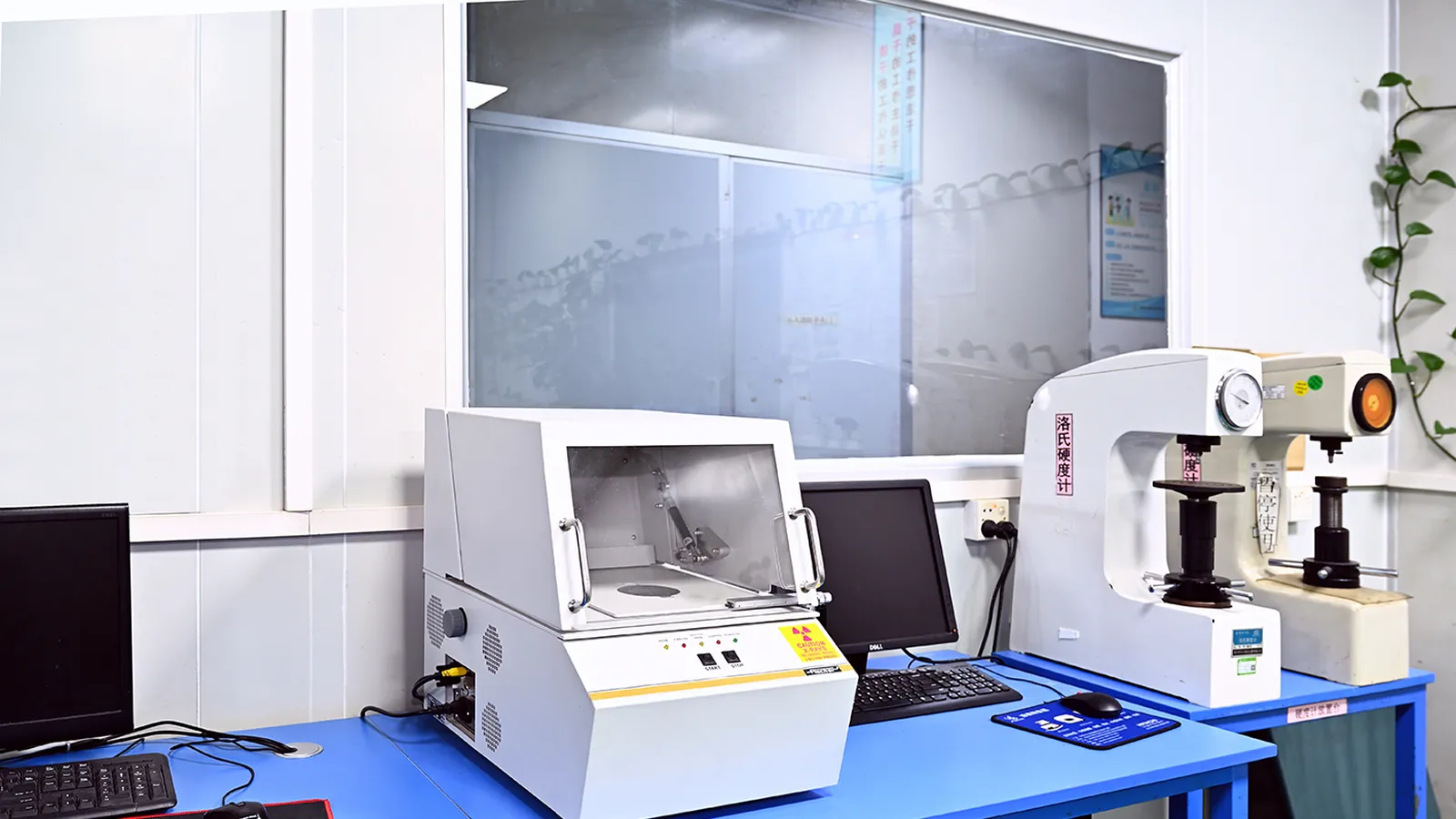
PVD vs Plating vs Painting: Where Each Wins
Electroplating (chrome, nickel, gold) produces thicker layers through an electrolytic bath and is the standard for decorative metal finishes. PVD produces thinner, harder, more uniform layers with no liquid chemicals and no wastewater — which is why PVD dominates watch and jewelry coating. Painting is the thickest, cheapest and most color-flexible option, but it wears, chips and cannot match the hardness of a PVD layer. Powder coating sits between paint and plating: thick, tough, but limited to matte or textured colors and unsuitable for precise decorative metal looks.
The trade-offs are quantified in our surface finishing overview: PVD layers achieve hardness of 1,500-3,000 HV (harder than the base steel or aluminum), while painted surfaces offer no hardness benefit and plated layers vary by metal. Adhesion is the other differentiator — a PVD layer that is applied after cleaning and ion bombardment in the chamber bonds at the atomic level, while paint adhesion depends entirely on surface preparation quality.
What PVD Coating Costs and How It Is Specified
PVD is specified by three parameters: the coating material (TiN, CrN, AlTiN, DLC, ZrN), the coating thickness (1-5 µm typical, sometimes up to 10 µm), and the color standard (RAL or Pantone reference for decorative work). The coating material selection guide matters more than most buyers expect — see our surface finishing services guide — because the wrong nitride changes not just the color but the hardness and corrosion resistance.
Cost depends on batch size (PVD is a batch process — the chamber cost amortizes over all parts in the load), part geometry (complex shapes shade the coating, requiring rotating fixtures), and surface preparation (machined parts need polishing before coating to look good after). Typical pricing ranges from a few dollars per small part in large batches to tens of dollars for small batches of complex parts. As a market reference, surface finishing and coating services are commonly bundled with machining and molding programs at full-service factories (.
At MOLDITQUICK we coordinate PVD with our CNC machining and injection molding programs: parts arrive at the coater pre-cleaned and pre-finished, so the coating cycle is not delayed by surface defects. If your part needs a PVD finish, send us the part, the color target and the wear requirement — we will recommend the coating system and quote the complete chain. Contact us to start.
The coating's practical limits are worth stating: PVD is line-of-sight, so recessed areas and internal bores may receive a thinner coating or none at all — the part geometry must be designed with the coating in mind, and the fixture design (rotating the parts in the chamber) is part of the process. The coating is also thin enough that it does not hide surface defects: a scratched or pitted substrate looks scratched after coating. That is why the surface preparation step — polishing, bead blasting or machining to the final finish — is half the cost of a good PVD job. Specify the substrate finish on the drawing, and the coating lands on a surface that makes it look like a million dollars.
Need a quote? Contact us — upload your 3D file for a fast DFM review.
NEXT STEP
Ready to Start Your Project?
Send us your requirements — our team responds within 24 hours. Pricing and a realistic lead time come with the reply.
Written by
Ray ChanExport Brand Manager · Injection Molding, Mold Making & DFM. Ray helps global importers and integrators source factory-direct plastic parts and tooling.