
ABS vs ABS+PC Blend: Toughness Upgrade
Table of Contents
ABS vs ABS+PC is the classic toughness upgrade decision in plastic part design. Straight ABS is the workhorse of housings and enclosures — cheap, easy to mold, good surface finish — but it softens around 100°C, yellows under UV, and has limited impact strength in thin walls. Blending ABS with polycarbonate (the ABS+PC family, sometimes written ABS/PC or PC/ABS) raises the heat resistance, impact strength and stiffness — at a higher material price and with stricter processing requirements. The choice is an engineering trade, not a brand preference.
The property comparison, in round numbers: ABS has a heat deflection temperature (HDT) of about 90-100°C at 0.45 MPa; ABS+PC (typical blend) raises that to 110-125°C. Impact strength (notched Izod): ABS around 200-300 J/m; ABS+PC around 400-600 J/m — roughly double. Tensile strength: ABS about 40-45 MPa; ABS+PC about 55-60 MPa. Cost: ABS+PC runs roughly 20-40% more per kilogram than ABS depending on the PC content and grade. Both mold well; ABS+PC needs higher barrel temperatures (240-280°C) and proper drying (PC absorbs moisture — below 0.02% or silver streaks appear).
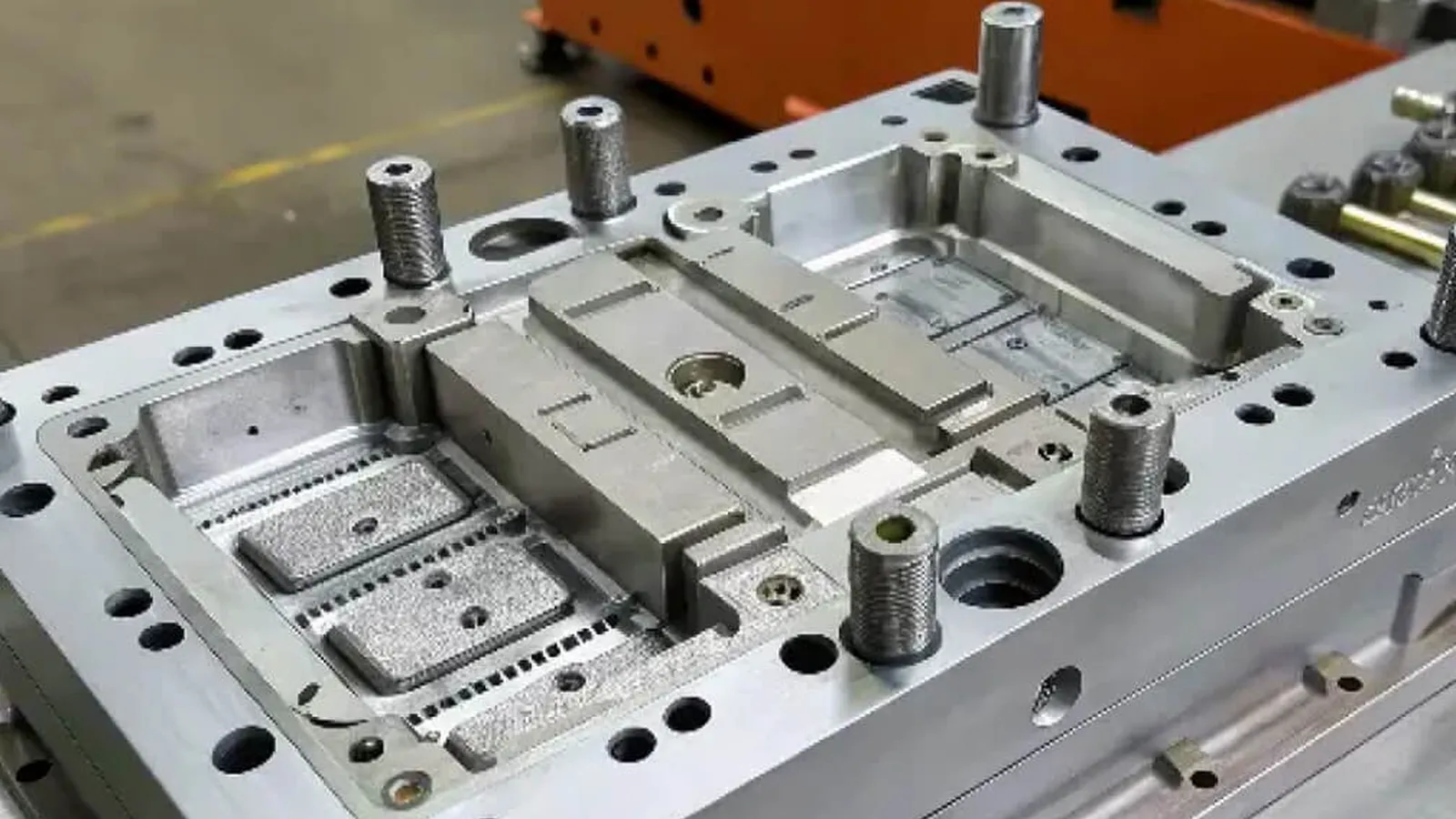
When ABS+PC Is Worth the Premium
ABS+PC earns its cost in four situations. First, heat: automotive interiors, dashboards, device housings near heat sources, and anything that will sit in a hot car or near electronics — the +15-25°C of HDT is the difference between a housing that holds shape and one that sags. Second, impact: enclosures that get dropped, bumped or shipped unprotected — the double impact strength is the difference between a dent and a crack. Third, thin walls: ABS+PC keeps more impact strength at 1.2-1.5 mm walls, which is why thin-wall electronics housings specify it. Fourth, dimensional stability under load: the higher stiffness and creep resistance hold tight tolerances better over time.
Straight ABS stays the right call when the requirements are modest: indoor consumer products, toys, low-heat enclosures, parts where cost per part dominates and the environment is benign. ABS is also the easier material to mold — lower temperature, faster cycles, more forgiving of process variation — which is why it remains the default for high-volume consumer housings. The blend should be a deliberate specification, not a substitute: some ABS+PC grades sacrifice surface finish and UV stability versus ABS, and the material cost difference adds up across millions of parts.
Specifying the Grade and Verifying It
The drawing should specify the exact grade family and the test requirement: "ABS+PC, HDT ≥ 110°C at 0.45 MPa, notched Izod ≥ 400 J/m, UL94 V-0" — the UL flammability rating matters for electronics. Material certificates should be attached to every lot, because the difference between a 20% PC and a 40% PC blend is real and invisible to the eye. Our materials section maps the common grades to applications, and our injection molding team can recommend the right blend for your part's environment.
At MOLDITQUICK we mold both families on our presses (30T to 260T) and manage the drying and process parameters per grade — ABS+PC needs the discipline that ABS forgives. As a market reference, material data across common grades is published by full-service molders alongside processing recommendations (.
If you are choosing between ABS and ABS+PC — or your current housing is failing heat, impact or warp tests — send us the part, the environment and the test requirements. We will recommend the grade and quote it with the process plan. Contact us to start.
The processing reality also differs in ways that affect your supplier choice. ABS is forgiving: it molds at 220-250°C with modest drying, and process variation shows up as cosmetic issues rather than mechanical failures. ABS+PC demands more discipline: the barrel runs hotter (240-280°C), the resin must be dried to below 0.02% moisture or the parts arrive with silver streaks and reduced impact strength, and the mold temperature should be controlled for best surface replication. A shop that treats ABS+PC like ABS will deliver parts that look right and fail early. When you specify the blend, confirm the supplier's drying and process control — it is the difference between the material on the data sheet and the material in your product.
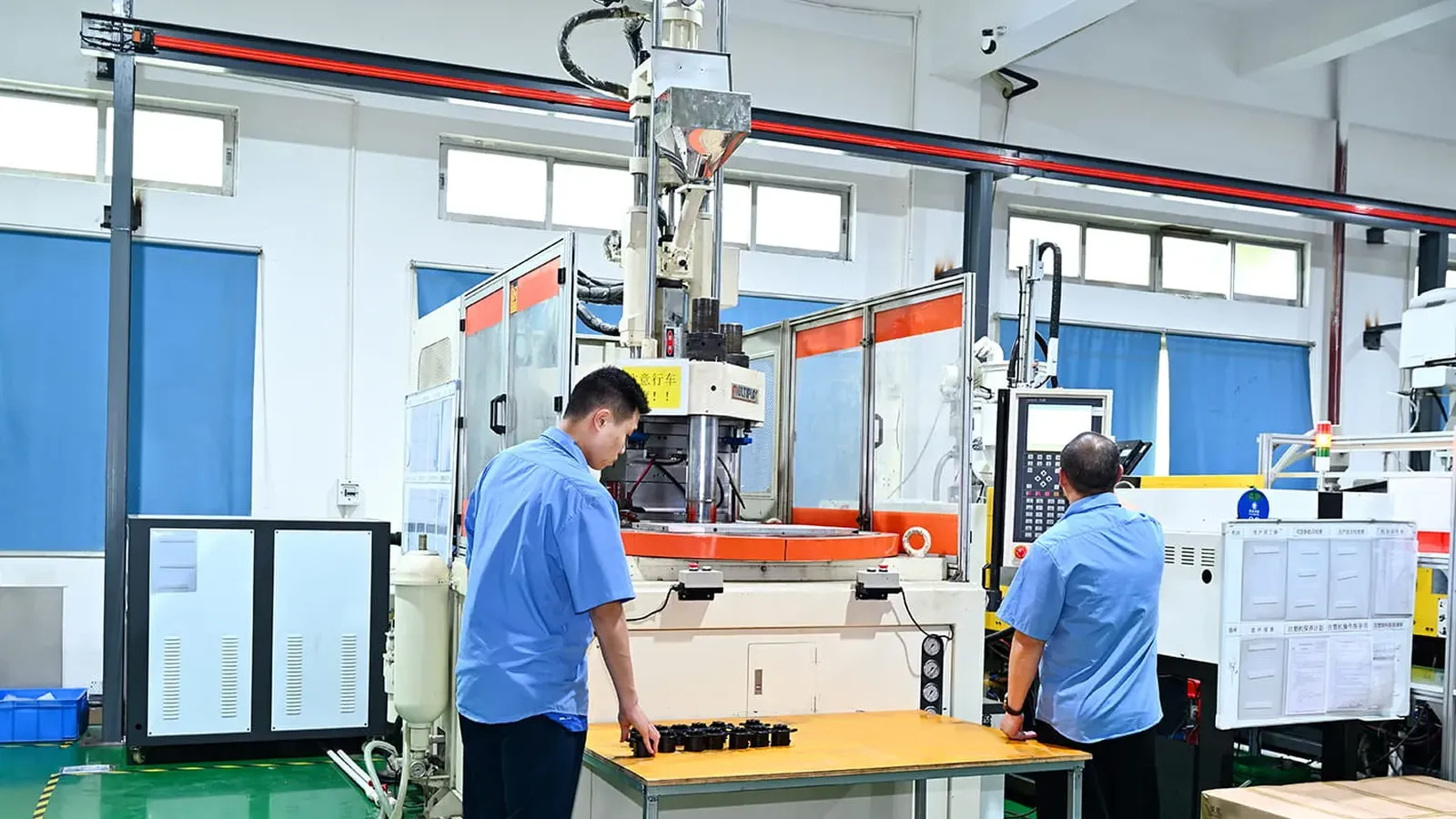
Need a quote? Contact us — upload your 3D file for a fast DFM review.
NEXT STEP
Ready to Start Your Project?
Send us your requirements — our team responds within 24 hours. Pricing and a realistic lead time come with the reply.
Written by
Ray ChanExport Brand Manager · Injection Molding, Mold Making & DFM. Ray helps global importers and integrators source factory-direct plastic parts and tooling.