
Consumer Electronics Enclosure Manufacturer: Speed + Finish
Table of Contents
Consumer electronics enclosures are the hardest cosmetic parts in injection molding. The user touches them every day, so the surface has to be flawless; the product ships in millions, so the process has to be repeatable; and the hardware launch cycle means the tooling timeline is always shorter than anyone planned. An enclosure manufacturer for this market lives on two metrics: cosmetic yield and time to first parts.
MOLDITQUICK manufactures enclosures, covers and housings for consumer electronics brands and EMS partners. The program runs on our presses (30T to 260T) with mold making and molding managed by one accountable team, so the cosmetic cavity finish, the gate design and the process stay aligned. We run low-volume validation on rapid tooling and production on hardened steel — timelines that fit hardware launch schedules when the design is ready.
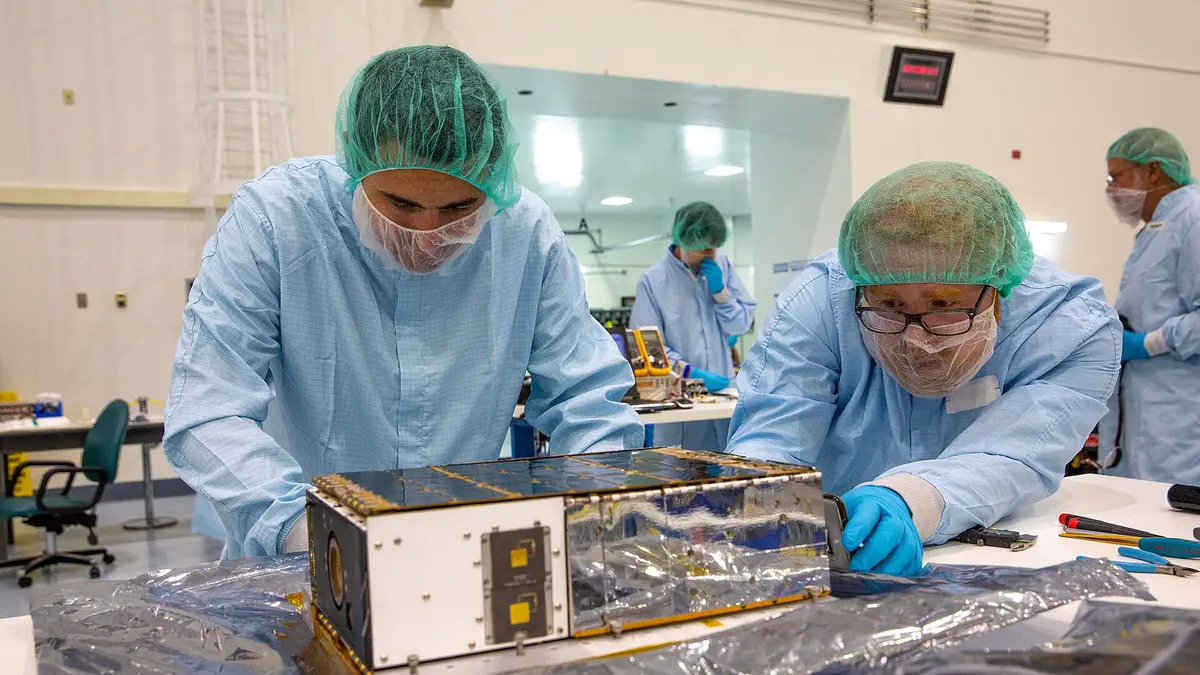
Cosmetic Surfaces: The SPI Grades That Matter
Electronics enclosures live on surface finish. The standard map is the SPI grades: A-1 to A-3 are diamond-polished for glossy, mirror-like surfaces; B-1 to B-3 are grit-blasted for satin; C-1 to C-3 are stone-finished; D-1 to D-3 are texture (leather, orange peel) applied by photo-etching the cavity. Glossy black enclosures in PC or PC/ABS demand A-1/A-2 polish — anything less shows as orange peel under the product lighting — and the mold temperature must be high enough (80-100°C for PC/ABS) for the surface to replicate the steel. That is why the machine needs real thermal control: a glossy cover on a poorly controlled mold yields 30%+ cosmetic scrap.
Textured finishes are cheaper and more forgiving: a D-2 texture hides gate marks, flow lines and minor sinks, which is why most mass-market electronics use texture. The texture is etched into the cavity by a specialist — we coordinate the photo-etching directly with the texture house so the cavity steel goes out and comes back on schedule. Whatever the grade, we document it in the tooling spec and verify the first article against the approved sample, not against a verbal description.
Assembly-Ready Details and Launch Schedules
An enclosure is not a box — it is a frame for the internals. Bosses for PCB standoffs, snap-fits for the cover, a battery-door track, a light-pipe channel, a USB opening that must clear the connector with 0.1 mm of play. We hold critical boss-to-boss and datum-to-opening dimensions to ±0.05 mm, and we check the assembly fit with the actual PCB and mating parts during first-article inspection — because nominal CAD clearance and real molded clearance are different numbers.
Cosmetic parts also fail in the assembly, not at the press: sink marks under the bosses, weld lines at the gates, ejector marks on the visible face. The DFM review catches these before steel is cut — gate placement behind the bezel, ejector pins moved to hidden faces, boss walls ribbed to prevent sink. Our consumer electronics injection molding guide covers the full pattern of design rules for housings.
For the launch itself, the timeline works like this: DFM review and quotation within 24-48 hours, tooling delivered on our rapid track, first shots inspected on the CMM, cosmetic samples approved, then low-volume validation parts in 7-12 days and production in 25-30 days. 's public VR case study shows the same class of program — cosmetic covers with fast tooling ( — and our own VR headset front cover program documents the full flow.
If your enclosure is fighting sink marks, orange peel or a slipping launch date, send us the design and the schedule. We will quote tooling plus parts with the cosmetic grade nailed down. Contact us to start.
Need a quote? Contact us — upload your 3D file for a fast DFM review.
NEXT STEP
Ready to Start Your Project?
Send us your requirements — our team responds within 24 hours. Pricing and a realistic lead time come with the reply.
Written by
Ray ChanExport Brand Manager · Injection Molding, Mold Making & DFM. Ray helps global importers and integrators source factory-direct plastic parts and tooling.