
Die Casting Manufacturer for Automotive & Industrial
Table of Contents
Die casting is the metal counterpart to injection molding: molten aluminum, zinc or magnesium is injected into a hardened steel die at high pressure, cooled, and ejected as a finished part — often with wall thicknesses of 1.5-3 mm that would be impossible to cast any other way. For automotive housings, brackets, valve covers and structural components, die casting is the volume process that bridges machined prototypes and full production.
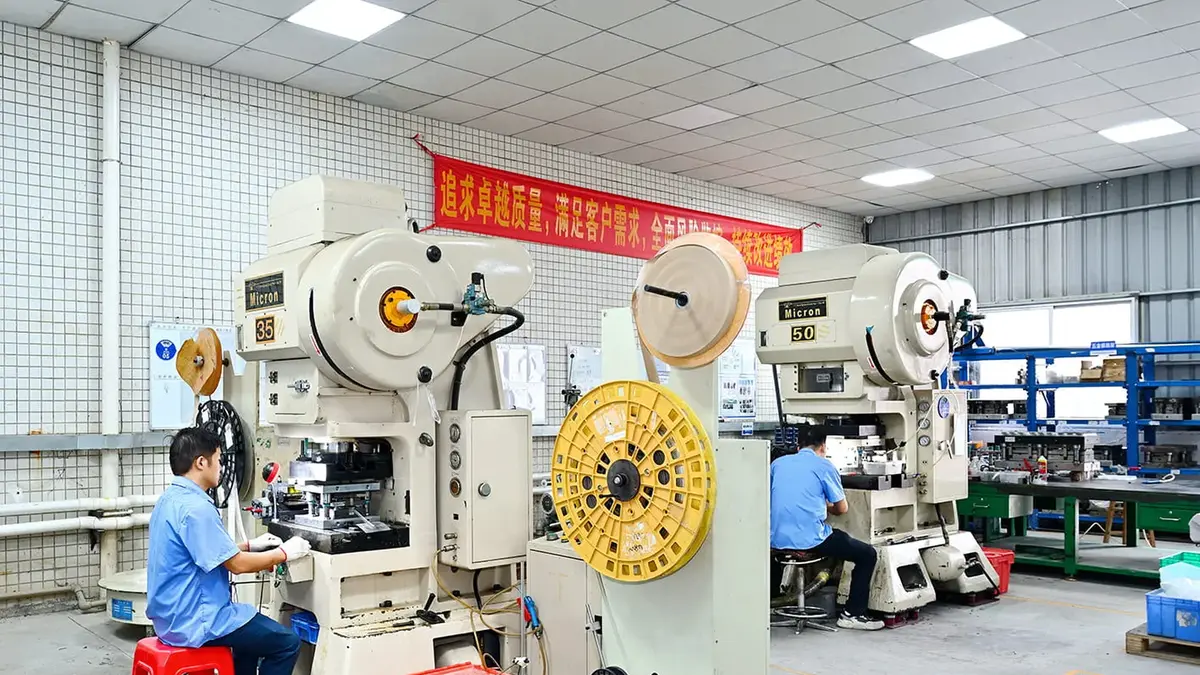
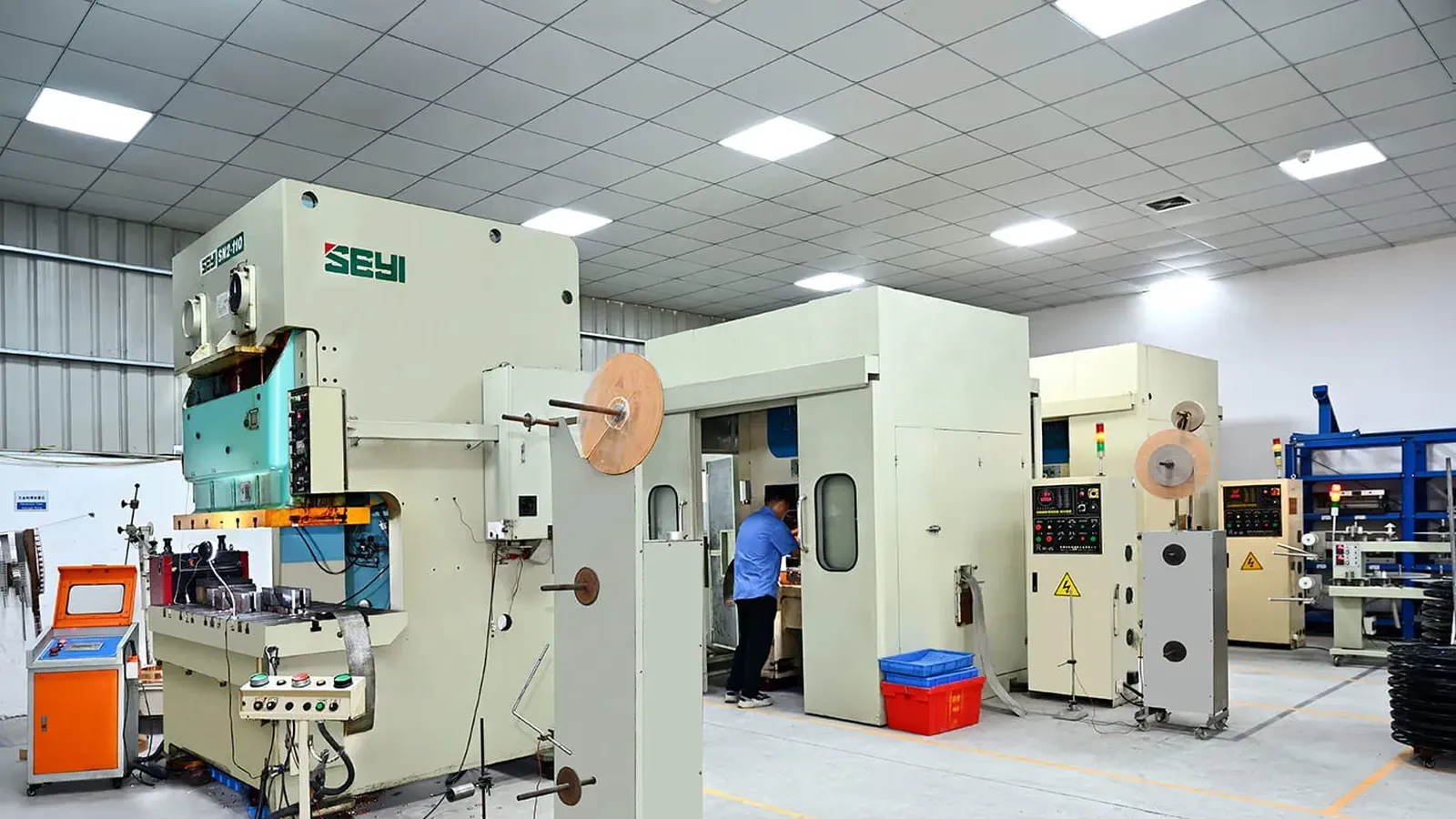
MOLDITQUICK is a die casting manufacturer for automotive and industrial programs, pairing the die casting line with our own CNC machining and coordinated finishing. Parts arrive at the customer as finished components — cast, trimmed, machined, pressure-tested and coated — rather than raw castings that need a second supplier. The 10,000 m² Dongguan facility also runs 21 high-speed precision stamping presses, so sheet-metal housings and die-cast housings can be consolidated in one program.
Aluminum, Zinc and the Alloy Decision
Aluminum alloys dominate structural die casting: ADC12 and A380 for general housings, A356 for parts that need weldability or better elongation, and high-ductility alloys for crash-relevant components. Zinc alloys (Zamak 3, 5) are the choice for small, intricate parts with thin walls and tight tolerances — zinc casts at lower temperatures, so die life is longer and the part can be plated directly. The alloy choice drives the whole program: zinc dies cost less and last longer, aluminum parts are lighter and stronger, and magnesium is the lightest but the most demanding to control.
Porosity is the enemy in every die-cast part. The high-pressure injection traps air unless the die is vented and the process is tuned — vacuum-assist casting, gate velocity control and overflow wells are the standard toolkit. On sealing surfaces like valve-cover flanges, we pressure-test every part (typically 0.5-1.0 bar air or helium) before machining, so a porous casting never reaches the customer. A comparable valve-cover program in the market holds parts tolerance of ±0.1 mm with mold tolerance of ±0.05 mm on the die .
From Casting to Finished Component
The cost advantage of die casting shows up when machining and finishing happen in the same plant. Castings arrive with 0.5-1 mm of machining allowance; we trim the gates, machine the critical faces on CNC, tap the bolt bosses, pressure-test, and finish with powder coating or anodizing. One handoff means the dimensional data follows the part from the die to the paint line — and if a machined face drifts, we catch it in the casting parameters, not after shipping.
Volumes shape the tooling decision. Low-volume programs of 100-5,000 parts use single-cavity dies and run on rapid tooling; production programs of 10,000-100,000+ parts use multi-cavity dies and run in 25-30 days. Quality is managed under IATF 16949 with PPAP support for automotive programs. Our die casting vs injection molding guide helps you choose between the metal and plastic routes for your housing.
If your program needs aluminum or zinc castings — housings, brackets, valve covers — send us the part and the volume. We will quote the complete chain: die, casting, machining, testing and finish. Contact us to start.
Design for die casting follows rules that are distinct from machining or molding: uniform wall thickness to prevent distortion and porosity, generous radii at transitions (sharp corners concentrate stress and impede metal flow), and draft angles of 1-2° per side so the part releases cleanly from the die. Cores and slides add cost, so the design should minimize side actions. Our DFM review flags these before tooling, because in die casting the die is 80% of the program cost — the review is where the money is saved. Send us the part and we will show you the die-cast-ready version of your design before you commit.
Need a quote? Contact us — upload your 3D file for a fast DFM review.
NEXT STEP
Ready to Start Your Project?
Send us your requirements — our team responds within 24 hours. Pricing and a realistic lead time come with the reply.
Written by
Ray ChanExport Brand Manager · Injection Molding, Mold Making & DFM. Ray helps global importers and integrators source factory-direct plastic parts and tooling.